Does Gua Sha Help With Sinus Congestion?
Quick Answer: Gua sha can plausibly help with the soft-tissue and fluid component of facial congestion — puffiness around the eyes and cheeks, and the tight, heavy feeling in the face — because gentle directional stroking encourages lymphatic drainage. It does not drain your sinuses, which are air-filled cavities inside bone that a tool on the skin cannot reach. For congestion from a cold, allergy or infection, it may make you feel better temporarily without treating the cause.
The before-and-after photos are real and so is the relief people describe. The explanation offered for it usually is not.
Here is what is actually plausible, in the order the questions come up.
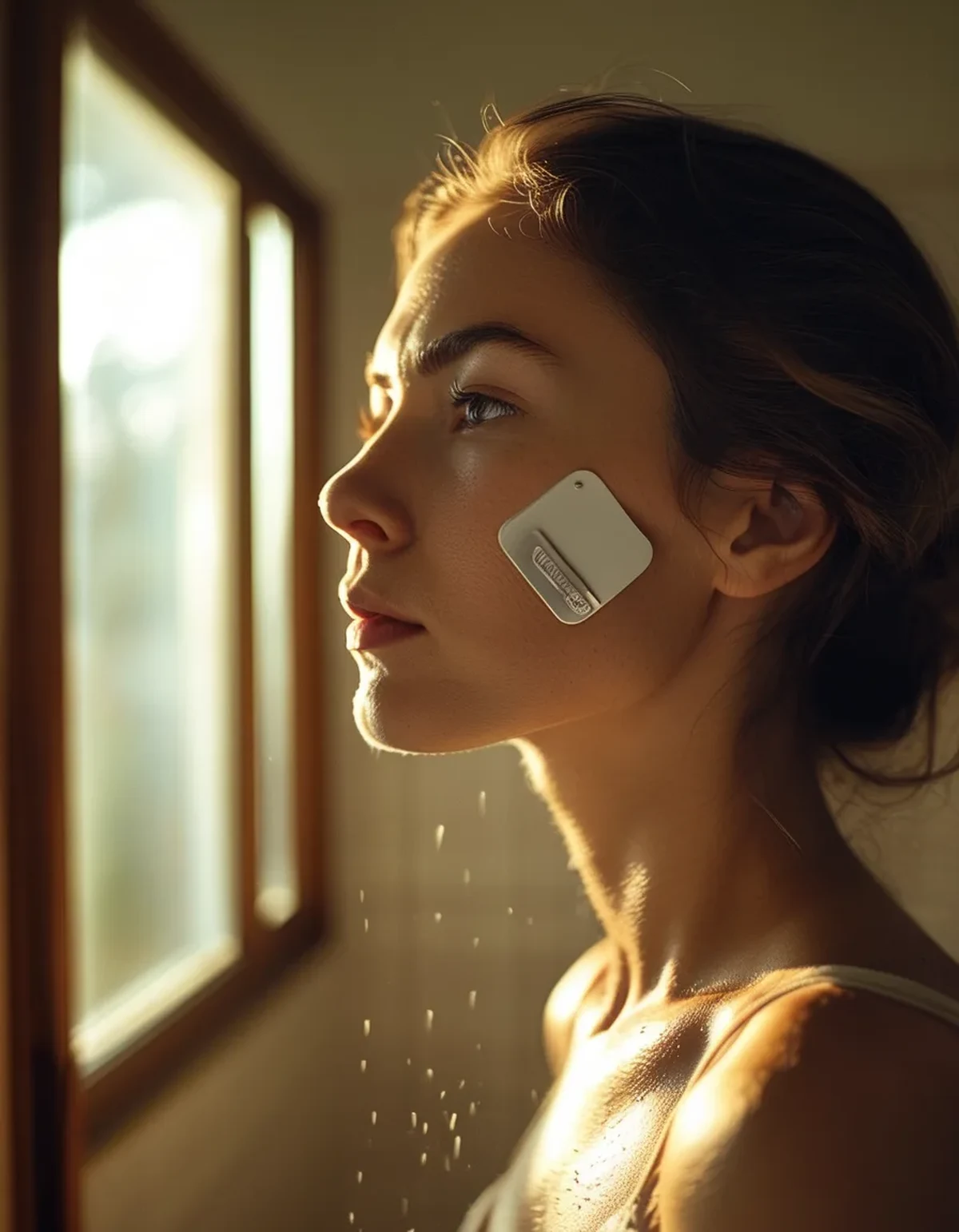
What is actually happening under the skin?
Two different systems get conflated, and separating them explains most of the confusion.
The sinuses are air cavities inside the bones of your skull — in the forehead, the cheeks, between the eyes and deeper behind the nose. They are lined with mucous membrane and they drain through small openings into the nasal passages. When those membranes swell, the openings narrow and pressure builds. That is sinus congestion.
Nothing you do to the skin reaches them. There is bone between the tool and the cavity. Any claim that stroking the cheek drains the maxillary sinus is anatomically incorrect.
The lymphatic system is a different thing entirely, and it does sit in the soft tissue where a tool can affect it. Facial lymph is superficial, drains toward nodes near the ears, jaw and neck, and moves without a pump — it relies on movement, muscle activity and pressure changes. Gentle directional stroking toward the nodes is the basis of manual lymphatic drainage, which is an established technique used clinically for swelling.
So the honest version is: gua sha may move interstitial fluid in the face, which reduces puffiness and the associated feeling of pressure. That is a real effect and it is why the photos look convincing. It is not sinus drainage.
The subjective relief may also be simpler than either explanation. Warmth, gentle pressure and a few minutes of slow attention on the face are genuinely soothing, and a lot of what people describe as congestion relief is a reduction in facial muscle tension around the brow, temples and jaw.
Can it help at all with a blocked nose?
Does it do anything for the pressure feeling?
Plausibly yes, indirectly. Reducing fluid retention in the cheeks and under the eyes reduces the overall sense of fullness in the face, and relaxing tension in the temples, brow and jaw eases the headache-adjacent part of congestion. People are not imagining the improvement — they are attributing it to the wrong mechanism.
Does it clear the nasal passage?
No. If your nose is blocked because the membranes inside are swollen, nothing applied to the outside of the cheek changes that. Steam, saline rinses, decongestants and treating the underlying cause are what act on the nasal passage.
What about the sensation of it working immediately?
Some people do feel their nose loosen during facial work, and the likeliest explanations are the warmth, the head position — leaning forward or lying back changes drainage by gravity alone — and general parasympathetic relaxation. Real sensation, incidental cause.
Is it worth doing during a cold?
Gently, if it feels good, and with one important caveat below about infection. It will not shorten the cold, and if you are unwell, rest does more.
Does the type of stone matter?
No. Jade, rose quartz, stainless steel and bian stone all work the same mechanically. Metal holds cold longer, which some people prefer for puffiness, and that is the only meaningful difference. Claims about the energetic properties of specific stones are not something the technique’s effects depend on.
Does it help allergy congestion specifically?
Same answer — it may ease facial puffiness, which is a real component of allergy symptoms, without touching the allergic response itself. Autumn is a significant allergy season in much of the US thanks to ragweed and, once heating starts, indoor dust mites, so this question comes up a lot right now. Antihistamines, saline rinses and reducing exposure are what actually address the cause.
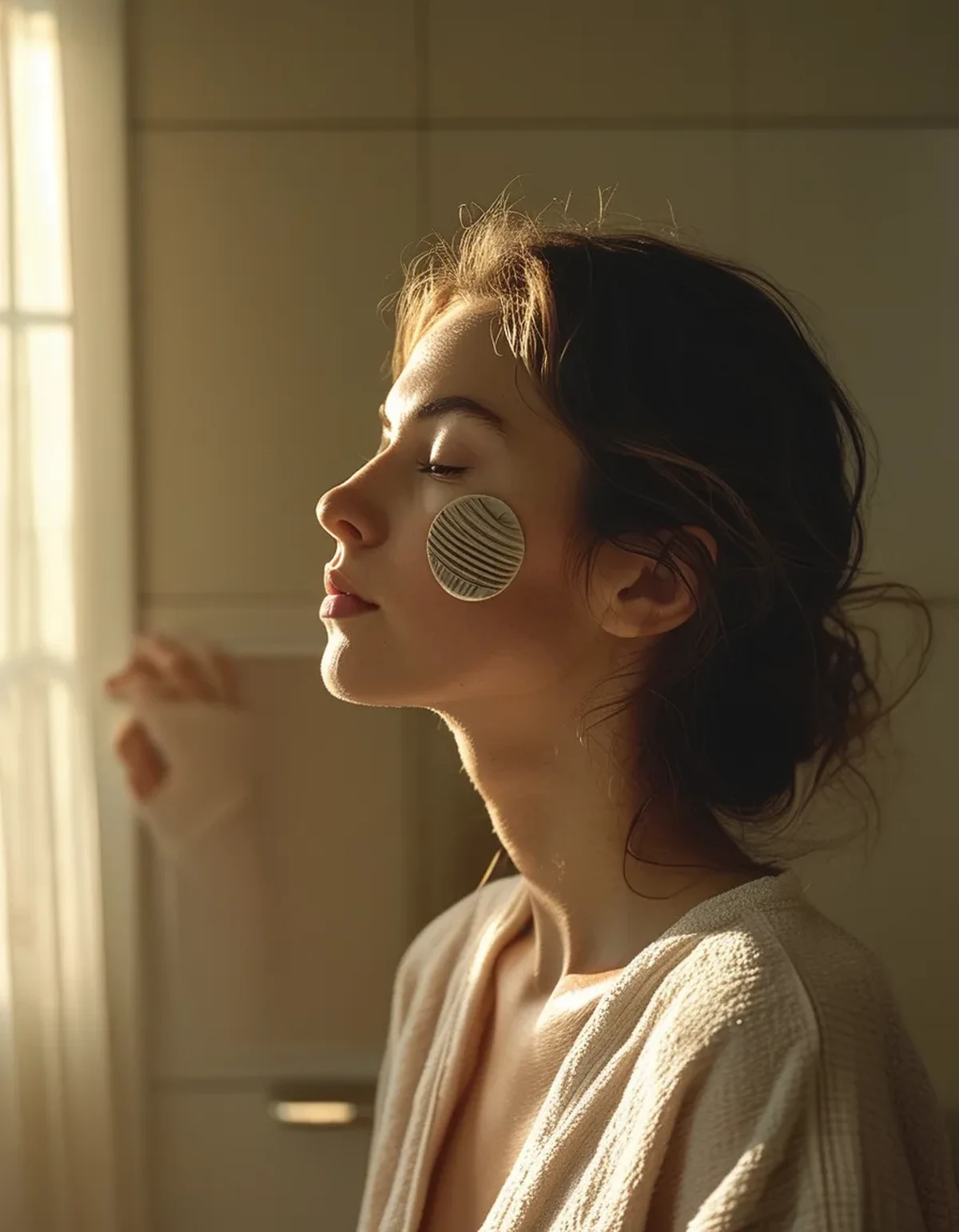
How would you do it properly?
If you are doing it for facial fluid, the technique that matters is light and directional. Most people press far too hard.
Pressure should be very light for lymphatic work. Lymphatic vessels sit just under the skin, and heavy pressure compresses them shut rather than moving fluid along. The pressure used in manual lymphatic drainage is often described as barely more than the weight of a hand. If you are leaving redness, you are doing a different technique.
Always work outward and downward toward the nodes — from the centre of the face toward the ears, then down the sides of the neck toward the collarbone. Draining toward a blocked route accomplishes nothing, which is why clearing the neck first is standard practice in lymphatic work.
Do the neck before the face. Short downward strokes along the sides of the neck open the route the facial fluid needs to travel. Skipping this is the most common technique error.
Use enough slip. A facial oil or a rich serum is necessary — dragging a stone across dry skin causes irritation and microtrauma. If the tool is not gliding easily, add more product.
Keep the tool nearly flat against the skin, at a shallow angle, not on its edge.
Three to five strokes per area is plenty, and the whole face takes about five minutes. More is not better here, and daily heavy work is a common route to irritation.
Do not confuse this with traditional body gua sha. The traditional practice deliberately uses firm scraping to produce petechiae — the characteristic red marks — on the back and shoulders. Facial gua sha as practised for skincare is a much gentler adaptation, and bruising on the face is a sign of excessive pressure, not efficacy.
When should you not do it?
Over active infection — including sinusitis with fever, facial pain or coloured discharge — over active acne lesions, over broken or irritated skin, or after recent injectables or procedures without checking with the practitioner. If you are on blood thinners or bruise very easily, keep pressure minimal or skip it.
This is general information, not medical advice.
When is congestion something to take seriously?
Facial pressure has a wide range of causes and most are benign. A few are not, and it is worth knowing the difference.
When should congestion see a doctor?
Seek medical advice if symptoms last more than about ten days without improving, if they improve and then worsen again, if there is a high fever, if pain is severe and localised, or if there is swelling or redness around the eye. Sinus symptoms that involve vision changes, severe headache, confusion or neck stiffness need urgent assessment rather than a home routine.
What actually helps a blocked sinus at home?
Saline nasal rinses have reasonable evidence and act where the problem is. Steam inhalation gives symptomatic relief. Adequate fluid intake, humidified air, and sleeping with the head slightly elevated all help. For allergy-driven congestion, antihistamines and nasal steroid sprays are the treatments with actual evidence, and they take days rather than minutes.
Why does congestion get worse when the heating comes on?
Central heating drops indoor humidity substantially, which dries nasal membranes, makes mucus thicker and harder to clear, and irritates the lining. It also circulates dust. This is one of the most common reasons people find their congestion changes character in autumn, and a humidifier addresses it directly in a way facial massage cannot.
Does facial puffiness have other causes worth checking?
Yes. Persistent facial swelling — as opposed to morning puffiness that resolves — can relate to thyroid function, kidney function, medication side effects and salt or alcohol intake. If puffiness is new, persistent and not resolving through the day, that is a conversation with a doctor rather than a technique problem.
So is gua sha worth doing at all?
For puffiness, facial tension and as a pleasant few minutes of routine, genuinely yes — those are effects it plausibly produces and that people reliably report. As a treatment for sinus congestion, no. Doing it because it feels good and reduces puffiness is a perfectly good reason. Doing it instead of treating an infection is not.
FAQ: Gua Sha and Congestion, Answered
How often should I do it?
Daily is fine at genuinely light pressure. If you are seeing redness or any bruising, reduce both pressure and frequency — every other day, or two to three times a week, suits most skin.
Morning or evening?
Morning is more satisfying for puffiness, since fluid accumulates overnight when you are lying flat. Evening is more relaxing. Neither is more effective.
Does a cold tool work better?
Cold causes temporary vasoconstriction, which visibly reduces puffiness for a while. It is a real short-term effect and it is cosmetic rather than lasting. A stone kept in the fridge is a cheap way to get it.
Can I do it when I have a cold?
Gently, if it feels good and there is no fever or facial pain. Skip it entirely if you have signs of a sinus infection.
Will it help my under-eye bags?
Often temporarily, for the fluid component. It will not change under-eye bags caused by fat pad prominence or skin laxity, which are structural.
Is the redness afterwards normal?
A brief flush from increased blood flow is normal and settles within an hour. Persistent redness, marks or bruising on the face means the pressure was too high — that is the traditional body technique, not the facial one.
TL;DR:
- Sinuses are air cavities inside bone. No tool on the skin reaches them, so gua sha does not drain them.
- What it plausibly does is move superficial lymph, reducing puffiness and facial tension — which feels like relief and is not the same thing.
- Work very lightly, neck first, always toward the ears and down. Heavy pressure closes the vessels you are trying to help.
- Skip it entirely with fever, facial pain, coloured discharge or swelling near the eye — that needs a doctor.
- Saline rinses, steam, humidified air and antihistamines are what act on actual congestion.
If your congestion changed when the heating came on, a humidifier will do more than a stone will.
Keep Reading
This article is for general informational and styling purposes only. Fit, sizing, and product availability may vary.